Introduction
1. Secure Furniture and Appliances
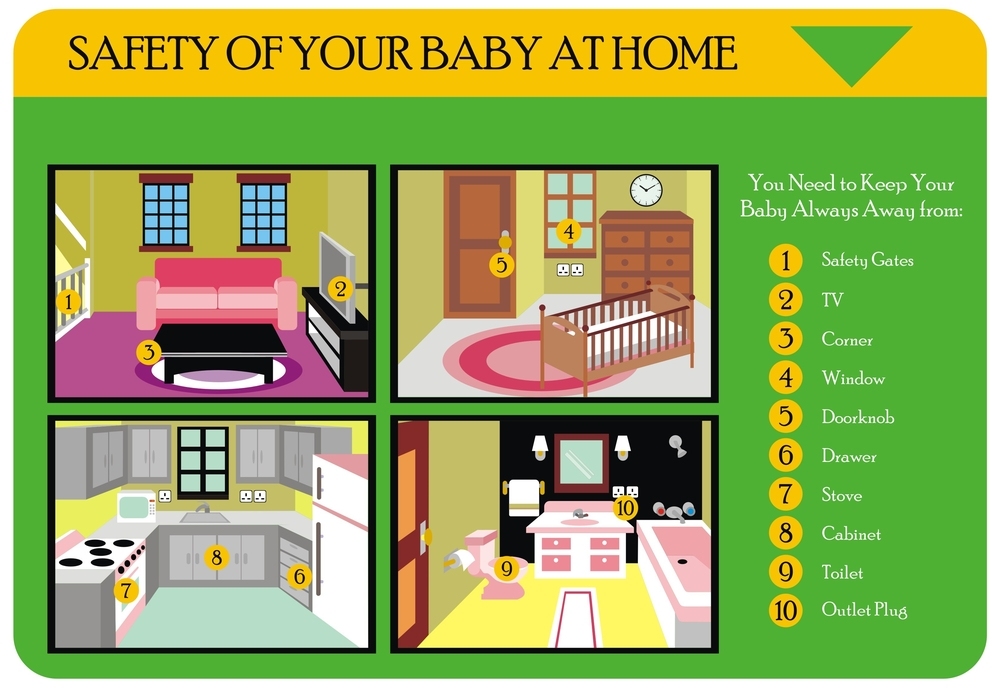
Toddlers love to climb, and unstable furniture can pose a serious hazard. Secure heavy furniture, such as bookshelves, dressers, and TVs, to the wall using safety straps or brackets. This prevents tipping accidents that could cause injury. Also, keep cords from appliances, such as irons and lamps, out of reach to avoid pulling hazards.
2. Install Safety Gates
Safety gates are a must for keeping toddlers out of dangerous areas like stairs, kitchens, or rooms with sharp objects. Use sturdy, pressure-mounted or hardware-mounted gates at the top and bottom of stairs, and in doorways to rooms that are off-limits. Ensure the gates are installed correctly and check them regularly for any signs of wear or loosening.
3. Cover Electrical Outlets
Electrical outlets are at eye level for curious toddlers, making them tempting to explore. Cover all unused outlets with safety caps or sliding outlet covers to prevent little fingers from coming into contact with electrical currents. Additionally, keep cords and chargers out of reach to prevent choking or strangulation hazards.
4. Lock Up Hazardous Substances
Household items like cleaning products, medicines, and small objects can be dangerous if ingested or handled by toddlers. Store these items in high cabinets, out of reach, or secure them with childproof locks. Be mindful of items like batteries, small magnets, and coins, which are easily swallowed and pose choking risks.
5. Childproof Doors and Windows
Install childproof locks or doorknob covers on doors to rooms that should remain off-limits. Windows should be secured with childproof latches, and heavy drapes or blinds cords should be kept out of reach to prevent accidental strangulation. If your home has older windows, consider installing window guards to prevent falls.
6. Use Corner and Edge Protectors
Toddlers are prone to bumps and falls as they learn to walk and run. Protect them from sharp edges and corners on furniture, countertops, and fireplace hearths by applying soft corner and edge protectors. These simple additions can significantly reduce the risk of injuries from falls or collisions.
7. Set Up a Safe Play Area
Designate a specific area in your home as a safe play zone where your toddler can explore without constant supervision. This area should be free of small objects, sharp edges, and other hazards. Use soft floor mats and age-appropriate toys to create a space where your child can play safely.
8. Water Safety First
Toddlers are naturally drawn to water, which can be dangerous even in small amounts. Never leave your child unattended in the bath, near pools, or even around buckets of water. Install locks on toilet lids, and always empty bathtubs, sinks, and buckets immediately after use. Consider using faucet covers to prevent burns from hot water.
9. Maintain Smoke and Carbon Monoxide Detectors
Make sure your home is equipped with working smoke and carbon monoxide detectors. Test them regularly and change the batteries at least once a year. In the event of a fire or carbon monoxide leak, these detectors can provide critical warnings that could save lives.
10. Educate and Supervise
While childproofing your home is essential, nothing replaces active supervision. Always keep an eye on your toddler, especially in areas like the kitchen or bathroom. As your child grows, start teaching them basic safety rules, like not touching hot surfaces or running indoors.
Conclusion
Creating a safe home environment for your toddler is an ongoing process that requires vigilance and thoughtful planning. By taking these precautions, you can reduce the risks of accidents and give your child the freedom to explore and learn in a secure setting. Remember, a safe home is a happy home, and with the right measures in place, you can enjoy peace of mind knowing that your little one is protected.
 Safety Radar